

Watterson Family Hide and Seek
Review
Watterson Family Hide and Seek stands out for its clever use of memory and listening skills in a non-competitive setting. The guidance from Anaïs feels supportive rather than intrusive, and the increasing difficulty keeps players engaged without causing frustration. The bright, friendly visuals are a treat for fans of the cartoon. It is a solid choice for parents seeking a safe, educational game for their kids.
Full story
Game Premise and Objective
In Watterson Family Hide and Seek, players take on the role of a helpful guide for Gumball and Darwin as they play a silly game outdoors. The two characters are blindfolded and must locate one another without bumping into things. Anaïs provides spoken hints that point the way and warn about dangers like cacti or holes in the ground. The main goal is to bring the pair together safely while remembering where hazards are placed. This setup turns a simple hide-and-seek idea into a memory exercise that feels natural and fun.
Memory and Coordination Challenges
Each round presents a new arrangement of obstacles that players must learn and recall. Cacti and ditches appear in different spots, requiring careful attention to Anaïs’s directions. The game encourages players to build a mental map of the area as they move the characters step by step. This design helps improve short-term memory and hand-eye coordination in a low-pressure setting. Mistakes simply mean trying again, which keeps the experience positive and encouraging.
Visual Style and Atmosphere
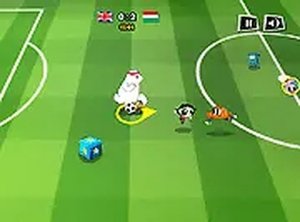
The game uses bright, colorful graphics that match the cheerful tone of the cartoon series. Characters appear in their familiar designs, and the outdoor settings include grass, trees, and open skies. There are no scary or violent elements, making it suitable for very young players. The visuals are simple but clear, so players can easily spot obstacles and paths. This approach ensures that the focus stays on the puzzle rather than on any distracting details.
Guidance and Feedback System
Anaïs acts as a friendly coach throughout the game, offering hints that become more specific if a player struggles. Her voice cues include directions like “move left” or “watch out for the cactus,” which help players correct their course. After each successful reunion, the game provides positive feedback with cheerful sounds and animations. This system keeps players motivated and reduces frustration, especially for children who are still developing problem-solving skills.







Reader Comments
Sign in to comment
You must be logged in before posting a review or rating.
No account? Create one
No comments yet. Be the first to comment!