
Postal Puffer Platformer
Review
Postal Puffer Platformer stands out because of its unusual movement system. Guiding a bouncing fish through platforms requires a different kind of thinking than typical platformers. The stages are well-designed to teach players how to handle momentum and timing. Each house delivery feels satisfying because it demands real skill to reach. The bright visuals and relaxed pace make it a good choice for anyone looking for a challenge that rewards patience over speed.
Full story
Movement and Momentum
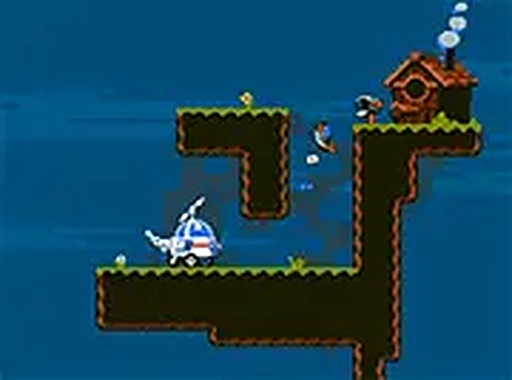
The fish character does not walk or run. Instead, it moves by flopping and bouncing across surfaces, which creates a unique control challenge. Each jump requires careful timing because the fish slides and carries momentum in ways that differ from standard platformers. Players must learn to anticipate how far the fish will travel after each bounce and adjust their inputs accordingly. This movement system turns simple navigation into a rewarding puzzle of physics and positioning.
Stage Layout and Objectives
Every stage presents a new arrangement of platforms, gaps, and obstacles. The primary task is to reach each house in the level to complete the mail route. Houses may be placed at different heights or on separate paths, so players must plan their route carefully. The layout encourages multiple attempts to find the most efficient way through each area. Obstacles are placed to test timing and the ability to control the fish's momentum in tight spaces.
Visual Design and Atmosphere
The game uses a side-scrolling view with a lighthearted, whimsical art style. The fish character and environments are designed to feel playful rather than intense. Colors are bright and friendly, matching the casual tone of the gameplay. The full-screen option helps players see upcoming obstacles more clearly, which is useful for planning jumps and avoiding mistakes. The overall presentation supports the game's focus on skill and patience without adding unnecessary complexity.
Progression and Challenge
As players advance, stages become more demanding. New obstacle placements require faster reactions and better understanding of the fish's movement. There is no time limit, so each attempt can be taken at a comfortable pace. Success comes from repeating sections to build muscle memory and learn the best paths. The game rewards persistence and careful observation rather than speed, making it accessible to players who enjoy methodical challenges.






Reader Comments
Sign in to comment
You must be logged in before posting a review or rating.
No account? Create one
No comments yet. Be the first to comment!