
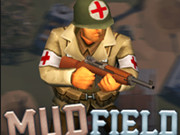
Allied Frontline Multiplayer Tactics
Review
Allied Frontline succeeds by making teamwork essential rather than optional. The objective-based scoring system keeps matches focused, and the vehicle mechanics add a satisfying layer of tactical depth. Soldier classes are distinct enough to encourage varied playstyles, though mastering communication with strangers takes practice. The browser-based nature means no downloads, which lowers the barrier to entry. A polished experience for those who enjoy cooperative competition.
Full story
Faction Selection and Roles
Players begin by choosing one of two opposing factions, each with access to unique equipment and vehicles. Within each faction, there are several soldier categories, such as support, frontline, anti-armor, and reconnaissance. Each category offers different tools and responsibilities, encouraging players to experiment and find a role that suits their preferred approach to the battlefield.
Objective Control Mechanics
The core loop revolves around capturing and defending marked zones on the map. Holding a zone steadily reduces the opposing team's total points, while eliminating enemy players also contributes to the score reduction. The match ends when one team's points reach zero, making every action count. This system rewards sustained pressure and coordinated pushes rather than individual heroics.
Authentic Vehicle Integration
Vehicles play a central role in turning the tide of battle. Players can operate historically inspired armored units, each with distinct strengths in mobility, firepower, and protection. Entering and exiting these machines is straightforward, but using them effectively requires awareness of positioning and team support. A well-timed vehicle advance can break a stalemate, while a poorly placed one can become a liability.
Controls and Equipment Management
The control scheme is designed for quick adaptation. Movement uses standard keyboard inputs, while dedicated keys handle entering vehicles, aiming, and throwing grenades. Equipment switching is done via number keys, allowing players to cycle between primary weapons, sidearms, and utility items. This layout supports fast decision-making during intense encounters.
Communication and Teamwork
Success depends heavily on how well players communicate. Sharing information about enemy positions, coordinating attacks on objectives, and calling for vehicle support are all part of effective teamwork. The game structure naturally rewards groups that can organize quickly, making it a good fit for players who enjoy collaborative challenges.
Reader Comments
Sign in to comment
You must be logged in before posting a review or rating.
No account? Create one
No comments yet. Be the first to comment!